Smart Air Conditioning Upgrades for Office Refurbishments
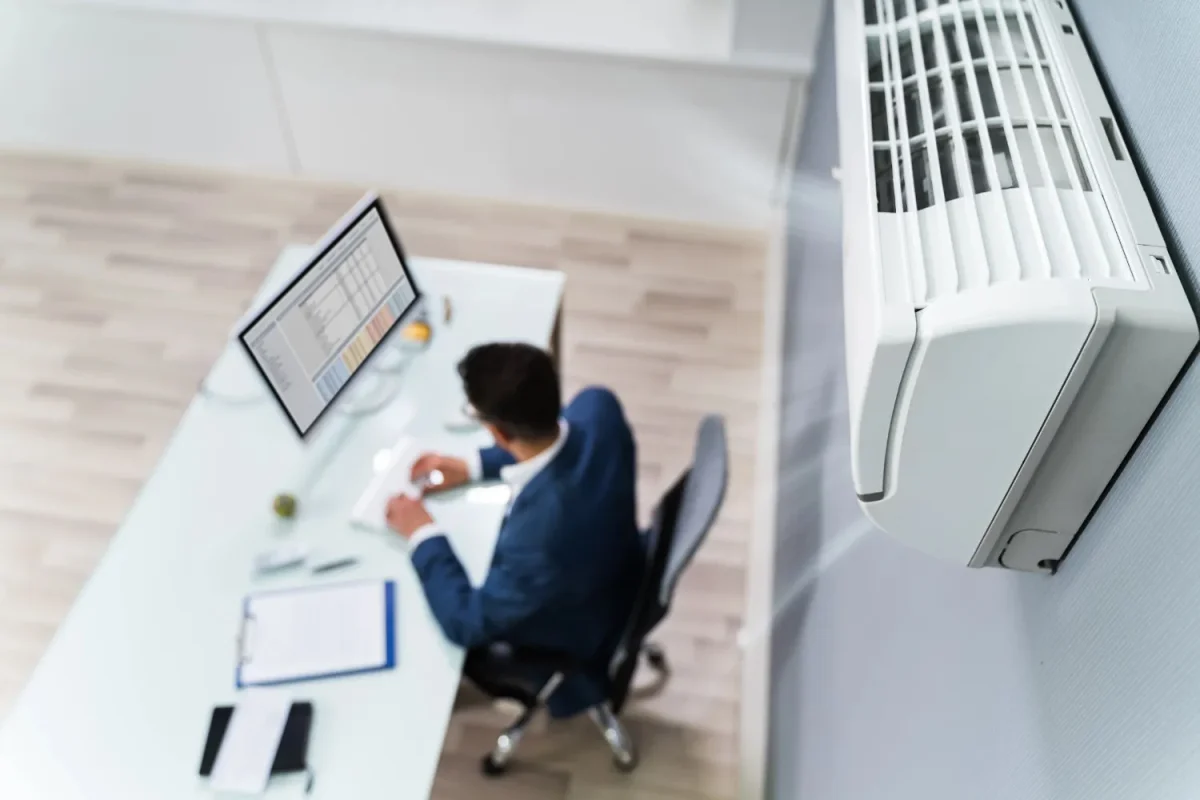
Office refurbishments are no longer just about new flooring, lighting, and furniture. Modern workplaces now prioritise comfort, air quality, and energy efficiency as much as appearance. An outdated air conditioning system can undermine even the most visually impressive office renovation, causing uneven temperatures, noise, and high energy costs.
Upgrading the climate system during refurbishment allows businesses to future-proof their workspace. With improved control, quieter operation, and better air distribution, modern systems significantly improve daily working conditions. Integrating advanced systems such as Daikin air conditioning during renovation ensures the building supports productivity as well as aesthetics.
Why Refurbishment is the Ideal Time for AC Upgrades
Renovation projects often involve ceiling work, electrical changes, and layout adjustments. This makes it the perfect opportunity to modernise cooling and airflow systems without major disruption later.
Common issues in older offices:
- Uneven temperatures across rooms
- Noisy units affecting concentration
- Limited airflow circulation
- High running costs
- Poor control over different zones
Upgrading during refurbishment allows the system to be designed around the new layout rather than adapted afterwards.
Move From Single Control to Zoned Cooling
Traditional offices often rely on one thermostat controlling the entire floor. This leads to overcooling in some areas and insufficient cooling in others.
Benefits of zoned systems
- Individual temperature control by room
- Reduced energy usage
- Greater comfort for staff
- Improved equipment performance
Meeting rooms, open-plan desks, and private offices all have different cooling requirements. Zoning ensures each area operates independently.
Enhancing Air Distribution With Modern Duct Design
During office refurbishments, airflow design is just as important as the equipment itself. Older systems often rely on basic duct layouts that may not suit modern open-plan offices or reconfigured workspaces.
Upgraded duct systems can:
- Improve even air distribution
- Reduce temperature fluctuations
- Minimise airflow noise
- Prevent hot and cold spots
Linear slot diffusers and concealed ducting solutions allow air to circulate smoothly without disrupting the clean aesthetic of a refurbished ceiling. Properly designed airflow ensures consistent comfort across desks, meeting rooms, and collaborative areas.
Integrating Cooling With Lighting and Ceiling Design
Modern refurbishments often feature suspended ceilings, LED lighting grids, and acoustic panels. AC systems should integrate seamlessly with these elements rather than appear as an afterthought.
Well-planned installations:
- Align cassette units with lighting layouts
- Hide ducting within ceiling voids
- Maintain balanced ceiling symmetry
- Avoid visual clutter
When cooling integrates neatly into the architectural design, the office looks more professional and organised.
Reducing Carbon Footprint and Meeting Regulations
Energy regulations for commercial buildings continue to tighten. Refurbishment is an ideal opportunity to install systems that comply with modern efficiency standards and reduce environmental impact.
Upgraded AC systems:
- Lower greenhouse gas emissions
- Support sustainability certifications
- Improve building energy ratings
- Reduce long-term environmental costs
Businesses aiming to strengthen their environmental credentials can use HVAC upgrades as part of broader sustainability initiatives.
Energy Efficiency Through Modern Equipment
Older air conditioners consume more power and struggle to maintain stable temperatures. New inverter technology adjusts output based on demand rather than running at full capacity continuously.
Energy-saving improvements
Feature | Benefit |
Inverter compressors | Lower electricity consumption |
Smart sensors | Cooling only when needed |
Scheduling controls | Automatic operation times |
Efficient heat exchange | Faster temperature stabilisation |
Reduced energy usage lowers operational costs while supporting sustainability goals.
Quiet Operation Improves Productivity
Noise is often overlooked during refurbishment planning. However, constant humming or vibration can reduce concentration and comfort.
Modern office systems are designed to operate almost silently. Ceiling cassette units and ducted systems distribute air gently rather than blasting it from a single point.
A quieter workspace:
- Improves focus
- Enhances meeting quality
- Reduces fatigue
Integrating Fresh Air and Air Quality Systems
Cooling alone does not guarantee comfort. Fresh air circulation is equally important for employee wellbeing. Installing professional ventilation installation during refurbishment improves oxygen levels and reduces stale air buildup.
Benefits of upgraded ventilation
- Healthier indoor environment
- Reduced condensation
- Better odour control
- Lower CO₂ concentration
Good airflow supports both comfort and workplace performance.
Smart Controls and Automation
Modern systems can be managed digitally rather than manually.
Smart control features
- Mobile app temperature control
- Automatic scheduling
- Occupancy detection
- Remote monitoring
Facilities managers can adjust settings without physically accessing each unit, simplifying building management.
Matching Cooling to the New Layout
Office refurbishments often change room usage. A storage room may become a meeting space, or partitions may create smaller offices. The cooling system must reflect these changes.
Design considerations include:
- Sun exposure
- Equipment heat output
- Occupancy levels
- Room size
Planning during refurbishment ensures airflow matches the new environment perfectly.
Long-Term Cost Benefits
While upgrades require investment, modern systems reduce operating costs over time.
Savings come from:
- Lower electricity consumption
- Reduced maintenance
- Longer equipment lifespan
- Fewer productivity disruptions
Businesses often recover installation costs through energy savings and improved efficiency.
Supporting Employee Wellbeing
Comfort directly affects performance. Studies consistently show temperature and air quality influence concentration and job satisfaction.
A well-designed environment:
- Reduces fatigue
- Improves focus
- Enhances morale
- Supports consistent productivity
Refurbishment is an opportunity to improve working conditions rather than only appearance.
Future-Proofing the Workspace
Technology and workplace expectations continue to evolve. Installing adaptable systems ensures the office remains suitable for years without repeated upgrades.
Future-ready features include:
- Expandable zoning
- Smart building integration
- Energy monitoring capability
Planning ahead prevents costly retrofits later.
Final Thoughts
Office refurbishments should consider performance as carefully as design. Modern air conditioning and ventilation upgrades transform a renovated workspace into a comfortable, efficient environment that supports daily operations.
By integrating efficient cooling, improved airflow, and smart controls, businesses create offices that look modern and function effectively. The result is a workspace where employees can focus, clients feel comfortable, and operating costs remain controlled — proving that a successful refurbishment goes beyond aesthetics to deliver lasting practical value.

Matthew Connery is the Director of Hamilton Air Conditioning in London. He is a skilled Business Strategist who delivers energy-efficient and cost-saving solutions to commercial and domestic clients from leading air conditioning brands.

Related blogs


Brands