How to Lower the Humidity in Your Home – Easy Tips
To create a comfortable environment inside your home, you must maintain the right humidity levels. Since humidity levels have a direct link with your home’s air quality, you should not overlook this aspect and gain knowledge on how to lower the humidity in your home. To find out more about humidity levels, their importance, their effects, and ways to decrease or maintain them, explore this post.
Why Does the Right Level of Humidity Matter?
Interestingly, humidity has a huge impact on indoor air quality. It also has a critical role in affecting the conditions of those who are dealing with allergies and asthma. When it comes to the impact, exceptionally low or high levels of humidity will affect not only your health but the furniture and other stuff as well. To measure the levels of moisture, you can use a hygrometer, which is an affordable and easily available device.
What is the Most Ideal Level of Humidity for Indoors?
When it comes to what humidity a house should be in the UK, the right level must be somewhere between 40% and 60%. This level is good for keeping you healthy and protecting the furniture from various harmful substances.
Humidity is the amount of water that is available in the air. When the air is warm, it can hold more moisture. This simply means you will feel more humidity when the summer days are there than in winter. Irrespective of the weather, you should ensure that your home has the right level of humidity.
What is the Impact of Higher Levels of Humidity?
This simply means you will feel more humidity when the summer days are there than in winter. Some of them are discussed below:
Mould and Damp
These can become a serious issue if your home has consistently higher humidity levels. This will not only affect your health but can result in permanent damage to the property as well as household belongings. You should know that mould can develop when indoor humidity is constantly 70% or higher. This can further produce irritants and allergens. Due to this, you can experience redness in the eyes, sneezing, coughing, and rashes. In severe cases, asthma can also occur. Installing a residential air con system can help regulate humidity levels, reducing the risk of mould growth and related health issues.
Heat Exhaustion and Dehydration
When humidity is higher in the winter, you will find it even more difficult to sweat. When the body is unable to cool down through evaporation, it will lead to heat stroke and heat exhaustion. In addition to this, higher humidity levels in summer also mean excessive sweating and dehydration. This is one of the reasons to know how to lower humidity in house UK.
Dust Mites
They thrive when the environment has excessive humidity. Dust mites love warm temperatures the most, particularly if it is approximately 25 degrees Celsius. Speaking about the spots where they grow, these include bedding, carpets, sofas, etc. Dust mites are especially harmful when you have allergic reactions or are asthmatic.
Furniture and Rotting Floors
You will be amazed to know that excessive moisture not only damages your health but also has adverse effects on your wooden furnishings and hardwood floors. This happens when excess moisture remains in a spot for a long period. If you do not eliminate the moisture, it will gradually decay the wooden furniture and flooring..
Asthma and Eczema
According to healthcare experts, when the humidity levels elevate, it will have a negative impact on the allergic as well as asthma symptoms. This is because of the increased level of airborne irritants within the home. When this happens, your skin will become itchy and irritated. As a result, you will experience rashes and several other similar issues.
How Excessively Lower Levels of Humidity Impact Your Health?
If you think that higher levels have health issues, you must keep in mind that lower levels equally impact your health. Below are some issues that you will experience when the humidity is excessively low:
Throat Irritation and Dry Skin: When your home has exceptionally lower humidity levels, it will cause your skin pores to lose more water through evaporation. As a result, your throat will become itchy, your lips will chap, and your skin will become too dry.
Airborne Viruses: If the air is dry, it will help airborne viruses build and spread easily. So, if you already have any sort of infection, it will worsen in such a situation. Proper humidity maintenance of your HVAC is advised to keep infection risks at the lowest.
How to Lower the Humidity Levels in Your Home?
When it comes to the answer to the question of how to reduce humidity levels, the following methods will help you greatly:
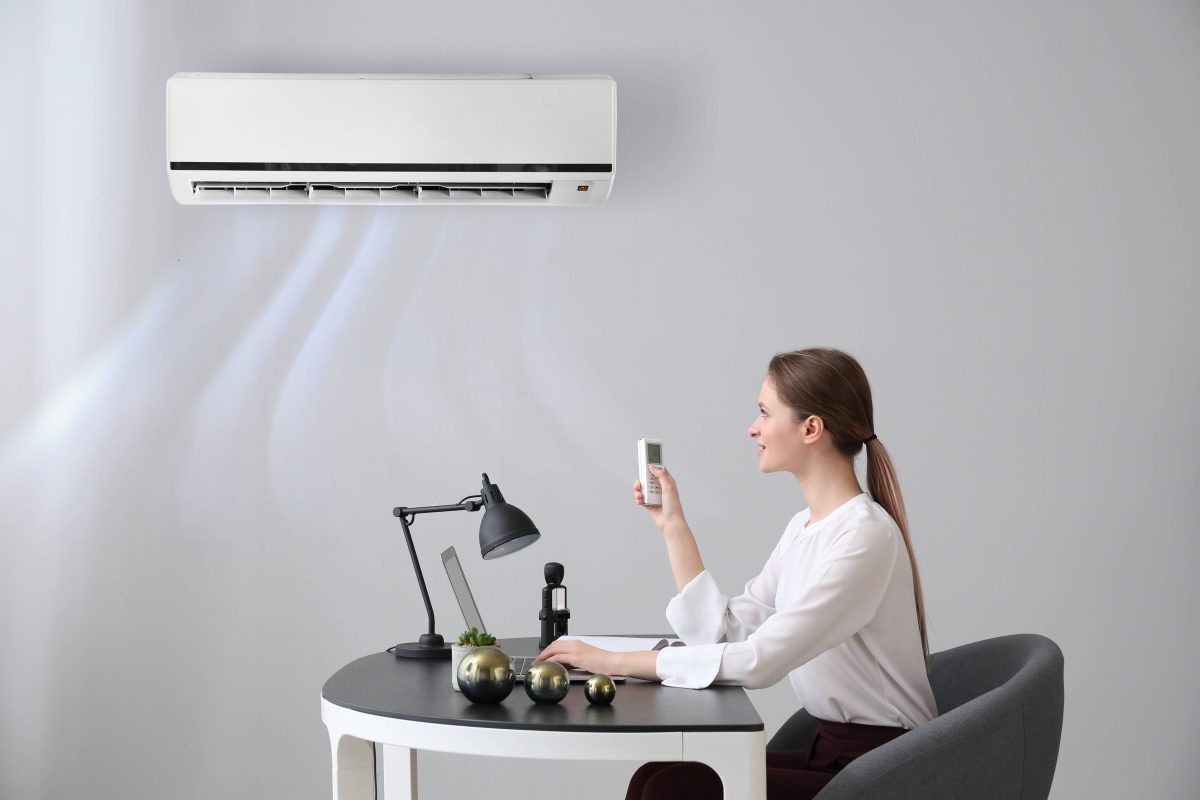
- Use high-grade air conditioning systems: Air conditioners (ACs) are considered the best options when it comes to reducing the humidity levels inside the home. They are also great for improving the home’s air quality. An AC removes the humidity through a condensation method. They have evaporator coils that condense water vapours from the air. The water from the air will be removed and the levels of humidity will improve.
- Install a dehumidifier: These machines are designed to pull warm air by utilising the coils placed inside. The water content from the air will condense and be stored in the water tank. As a result, the air becomes slightly dry.
- Proper ventilation is a must: To minimise the levels of humidity, the space should be well-ventilated. Having big and open windows is the best way to let the fresh air circulate within the home. Apart from this, you can invest in extractor fans in the kitchen and bathrooms while cooking and bathing.
Final Thoughts
To get the best HVAC systems for your home to manage the humidity levels or know how to control humidity in a room, you can get in touch with Hamilton Aircon. The expert members will shed light on the humidity levels that should be maintained as per your specific county or region.

Matthew Connery is the Director of Hamilton Air Conditioning in London. He is a skilled Business Strategist who delivers energy-efficient and cost-saving solutions to commercial and domestic clients from leading air conditioning brands.

Related blogs


Brands